Understanding Shower Base Options
When it comes to renovating or designing a bathroom, selecting the right shower base is one of the most critical decisions you'll make. This often-overlooked element not only frames the look and feel of your shower space but also plays a vital role in overall functionality. Let's explore the various options available in shower bases, helping you to make an informed decision that matches your style and needs.
Materials Used in Shower Bases
Shower bases come in a variety of materials, each offering different advantages and aesthetic qualities. Understanding these materials is essential when choosing the right shower base for your bathroom.
- Acrylic: Acrylic shower bases are lightweight, easy to install, and available in various shapes and sizes. They are also resistant to chipping and cracking, making them a popular choice.
- Fiberglass: Fiberglass is another lightweight material that is budget-friendly. It is molded into various shapes and can be a cost-effective option, though it may require more maintenance over time.
- Tile: Tiling offers the most design flexibility, allowing for intricate patterns and colors. However, it requires a higher level of maintenance, especially concerning grout cleaning.
- Stone: Stone shower bases provide a luxurious aesthetic and durability. Materials like marble or granite can give your bathroom a spa-like feel, but they can also be expensive and require sealing to prevent stains.
- Composite: Composite materials combine different elements for durability and can be designed for specific applications. They are often engineered to resist stains and scratches, making them easy to care for.
Types of Shower Bases Available
There are several types of shower bases available in the market today, each suited for different layouts and personal preferences. Understanding these types will help you select a suitable option for your bathroom renovation.
- Standard Shower Bases: Typically rectangular or square, standard shower bases are versatile and suited for most shower stalls.
- Neo-Angle Shower Bases: Designed for corners, these bases are great for smaller bathrooms and maximize space, providing a unique aesthetic.
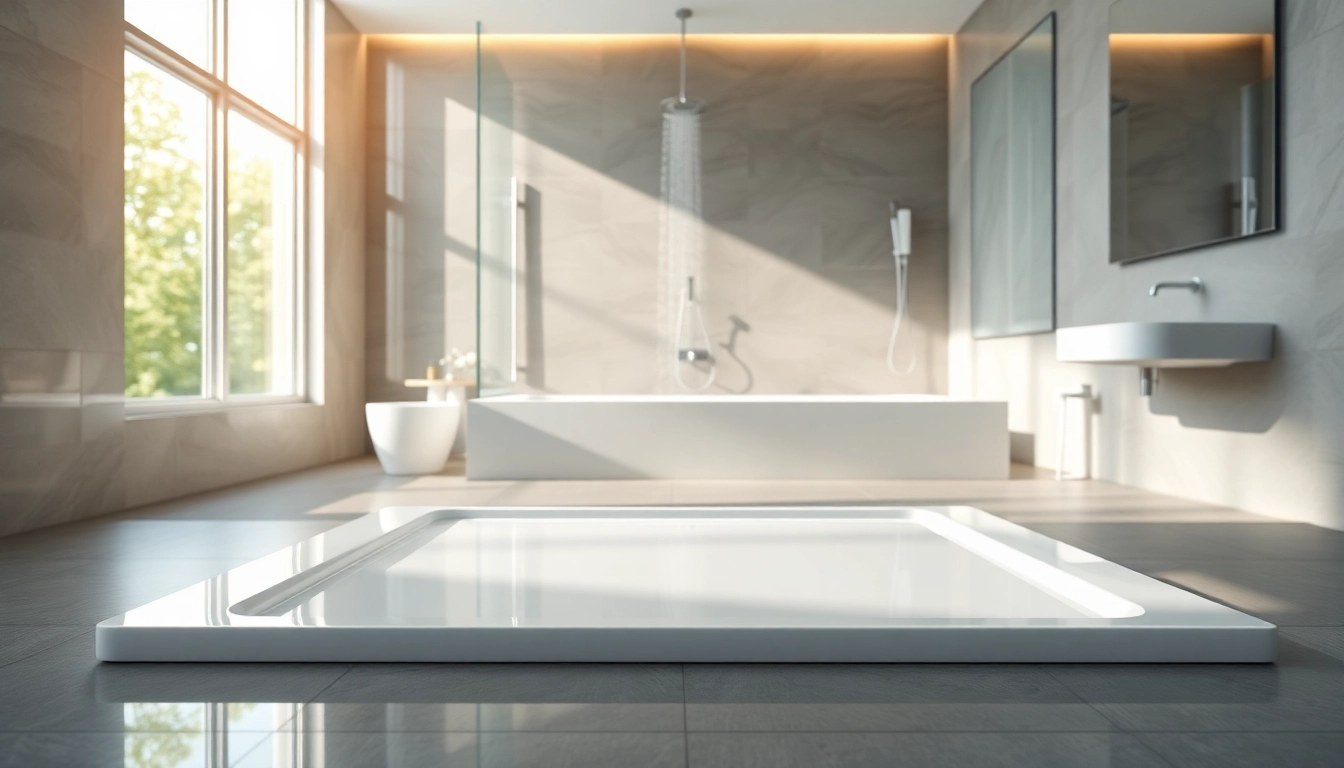
- Curbless Shower Bases: Also known as barrier-free bases, these allow for a seamless transition from the bathroom floor to the shower, ideal for accessibility needs.
- Drop-In Shower Bases: These bases are designed to fit into an existing shower frame. They offer a more custom look if you’re remodeling an older bathroom.
- Custom Shower Bases: If you have particular needs or design requirements, custom shower bases can be built to fit unique spaces or styles.
Comparing Costs and Benefits
The cost of a shower base can vary based on material, type, and brand. It's vital to strike a balance between budget and quality to ensure long-term satisfaction.
The general cost range for shower bases is as follows:
- Acrylic: $200 - $600
- Fiberglass: $100 - $400
- Tile: $500 - $1,500 (depending on labor costs)
- Stone: $800 - $3,000
- Composite: $300 - $800
Despite higher initial costs for materials like stone and tile, the return on investment in terms of aesthetics and durability can be significant, potentially increasing home value.
Installation Considerations for Shower Bases
Once you've decided on the type of shower base, the next crucial step is installation. This process can be done either as a DIY project or by hiring professionals, depending on your skill level and comfort with home improvement tasks.
DIY Installation vs. Professional Help
Deciding between DIY installation and professional help requires careful consideration of your abilities and the complexity of the installation.
- DIY Installation: Opting for a DIY approach can save money and be a rewarding experience. With the right tools and guidance, you can install many types of shower bases successfully.
- Professional Installation: If you prefer a hassle-free experience, hiring a professional can ensure that the installation meets safety codes and performs well in the long run. This is particularly beneficial for custom installations or when plumbing adjustments are needed.
Tools Needed for Installation
Whether you choose to tackle the installation yourself or not, understanding the tools required can help you prepare effectively:
- Measuring tape
- Level
- Screws and anchors
- Silicone sealant
- Utility knife
- Drill
- Notched trowel (for tile installations)
Common Challenges During Installation
Even experienced DIYers can run into challenges during installation. Here are some common problems and solutions to keep in mind:
- Uneven Floors: Use shims or mortar to level the base. Ensure the floor slope allows water to drain properly.
- Tile Alignment Issues: Take time to plan your layout before starting. Use spacers to keep tiles aligned.
- Sealant Problems: Apply sealant correctly and allow sufficient curing time to prevent leaks.
Maintenance Tips for Shower Bases
Once your shower base is installed, maintaining it is crucial to prolong its lifespan and ensure it remains aesthetically pleasing.
Cleaning and Care Guidelines
The type of shower base you choose affects cleaning protocols:
- Acrylic and Fiberglass: Use non-abrasive cleaners to avoid damaging the surface. Regularly wipe down the base after use to prevent soap scum buildup.
- Tile and Stone: Clean with solutions designed for porous materials, being mindful of grout upkeep to prevent mold growth.
Identifying Wear and Tear
Regular inspections can help you catch issues early. Look for:
- Cracks or chips in the surface
- Discoloration or stains
- Signs of mold or mildew
Preventative Maintenance Strategies
To minimize wear, consider the following strategies:
- Apply a protective sealant for stone and tile surfaces every few years.
- Ensure proper ventilation in your bathroom to reduce moisture accumulation.
- Use shower mats in high-traffic areas to combat wear and tear.
Design Ideas Featuring Shower Bases
A well-chosen shower base can enhance your bathroom's design significantly. Here are some ideas to integrate your shower base into the overall aesthetic.
Integrating Shower Bases into Modern Styles
Modern bathrooms often favor minimalist, sleek designs. Here are ways to blend your shower base:
- Opt for a curbless shower base for an unobtrusive look.
- Choose a monochromatic color scheme that complements other fixtures.
- Incorporate a glass panel to create a sense of openness.
Creating a Spa-Like Experience
Transforming your bathroom into a spa-like retreat can be as simple as the right shower base:
- Use natural stone materials for a luxurious feel.
- Add rain showerheads and body sprays for a refreshing experience.
- Surround the base with relaxing elements like plants and candles.
Color Combinations and Tile Choices
The color and texture of your shower base can set the tone for the entire bathroom. Consider the following:
- Bold, contrasting colors can create a statement piece.
- Soft, neutral colors often promote a more calming environment.
- Use textured tiles to enhance grip and aesthetics.
Frequently Asked Questions about Shower Bases
Can I customize the size of my shower base?
Yes, many manufacturers offer custom sizing options to accommodate unique spaces.
How do I choose the right shower base for my space?
Consider dimensions, materials, and design style that match your bathroom theme and layout.
Are shower bases slip-resistant?
Many shower bases are designed with slip-resistant surfaces, but it's essential to verify product specifications.
What materials are best for shower bases?
Acrylic, tile, and stone are popular due to their durability and aesthetic appeal. Choose based on your needs.
How often should I replace my shower base?
While quality materials can last years, inspect regularly. Replace when signs of trauma, mold or severe wear appear.