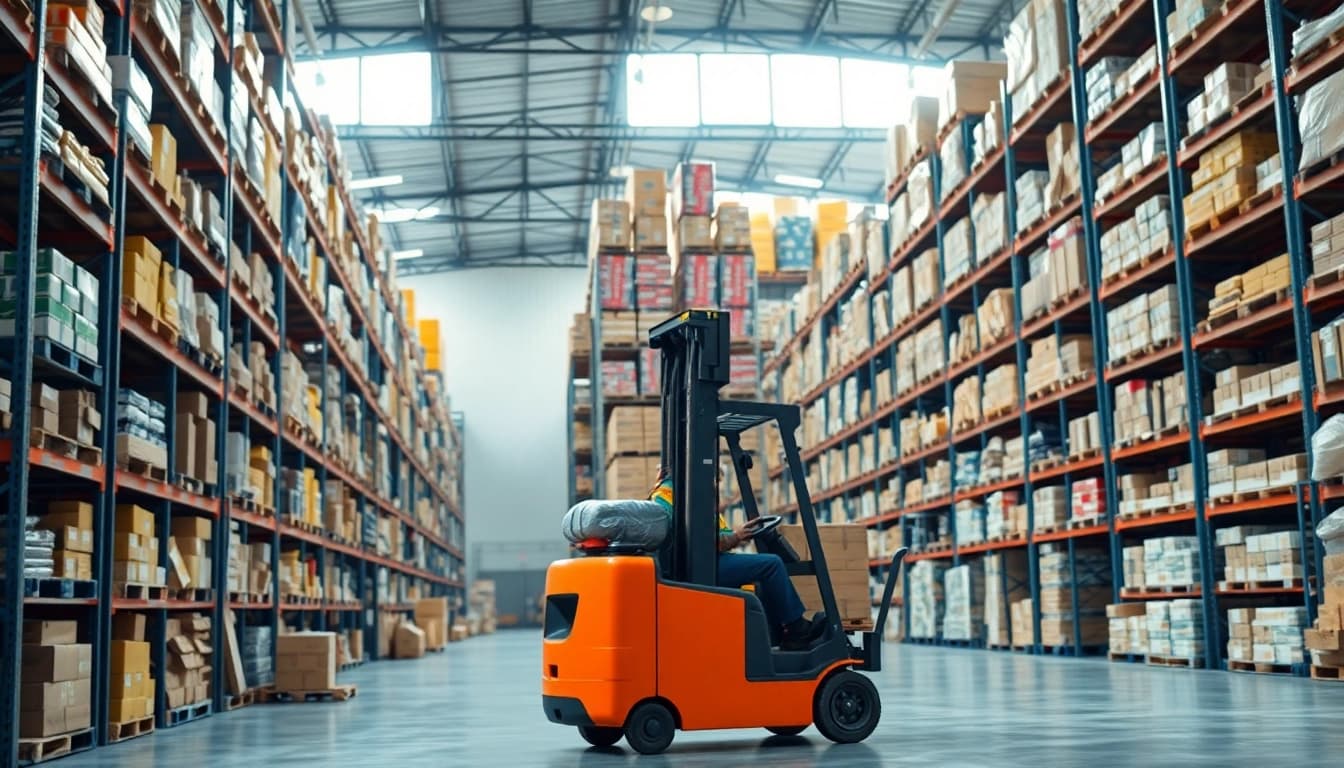
What is a Warehouse?
A warehouse is fundamentally a facility dedicated to the storage of goods. It plays a pivotal role in the supply chain, serving as a central point where products are held before distribution. These structures are essential for manufacturers, importers, exporters, wholesalers, and transport businesses, helping to streamline logistics and enhance operational efficiency. For a comprehensive understanding of warehouses and their functions, explore this Warehouse resource.
Definition and Purpose of Warehouses
The primary purpose of a warehouse is to provide a space for storing products. This can include a wide range of items, from raw materials and components to finished goods ready for sale. In addition to storage, warehouses facilitate inventory management, order fulfillment, and redistribution of products to stores or directly to customers.
Warehouses can significantly reduce logistical costs and improve service levels by ensuring that products are readily available when needed, thus minimizing delays and bottlenecks in supply chains.
Types of Warehouses
Various types of warehouses exist to meet specific needs:
- Public Warehouses: These are storage facilities that offer services to businesses as needed, providing flexibility and scalability for small to medium-sized companies.
- Private Warehouses: Owned and operated by a company primarily for its own storage needs, private warehouses offer control over the inventory and layout but require greater investment.
- Distribution Centers: Specialized warehouses focused on the rapid distribution of goods, often containing advanced technology to facilitate quick sorting and shipping.
- Fulfillment Centers: These warehouses manage the entire order process for online retailers, from receiving inventory to packing and shipping directly to customers.
- Temperature-Controlled Warehouses: Essential for storing perishable goods, these facilities are equipped with refrigeration and climate control systems.
Importance in Supply Chain Management
Within the framework of supply chain management, warehouses are indispensable. They serve multiple purposes that enhance the overall operations of businesses:
- Inventory Management: Warehouses allow businesses to stock products in anticipation of demand patterns, helping in managing inventory levels effectively.
- Cost Efficiency: Centralized storage reduces transportation costs by allowing bulk shipment of goods.
- Order Fulfillment: They enable faster order processing and shipping, which can improve customer satisfaction levels.
- Risk Mitigation: Storing goods in a warehouse can protect companies against supply chain disruptions.
Key Warehouse Operations
Inventory Management Techniques
Effective inventory management is critical for optimizing warehouse operations. Techniques that foster efficient management include:
- First In, First Out (FIFO): This method ensures that older stock is sold first, minimizing spoilage, especially important in industries handling perishable goods.
- Just-In-Time (JIT): This technique reduces holding costs by ordering goods only when necessary, keeping inventory levels low.
- ABC Analysis: Prioritizes inventory based on its value, allowing warehouses to manage high-value items more closely.
- Cycle Counting: A continual inventory auditing process that improves accuracy and reduces discrepancies without a full physical inventory count.
Warehouse Layout Strategies
A well-planned warehouse layout can enhance efficiency and optimize workflow. Key strategies include:
- Flow Design: Organizing products logically by analyzing the flow of goods to minimize travel time and streamline operations.
- Zone Design: Dividing the warehouse into zones based on product type or handling requirements to facilitate easier access and management.
- Cross-Docking: Directly transferring products from incoming to outgoing transportation with minimal storage time, reducing lag time in distribution.
Technology in Warehouse Operations
Embracing technology is essential for modern warehouse operations. Key technologies include:
- Warehouse Management Systems (WMS): Software that streamlines inventory management, order processing, and warehouse operations.
- Automated Storage and Retrieval Systems (AS/RS): Mechanized systems that enhance storage density and retrieval speed.
- Barcode Scanning: Improves accuracy and speed of inventory tracking and management.
- Robotics and Drones: Increasingly utilized for picking and sorting tasks, improving efficiency and reducing labor costs.
Choosing the Right Warehouse Solution
Factors to Consider When Selecting a Warehouse
When selecting a warehouse solution, businesses should consider several critical factors:
- Location: Proximity to key markets can drastically reduce transportation costs and enhance delivery efficiency.
- Cost: Evaluate the overall cost structure, including rent, utilities, labor, and technology.
- Scalability: The ability to expand operations as business grows without significant capital investment.
- Access to Technology: Ensure the warehouse has the necessary technology to support efficient operations, like WMS.
Common Challenges in Warehouse Management
Warehouse management comes with its own set of challenges, including:
- Inventory Discrepancies: Frequent audits and automation can help minimize human error and discrepancies.
- Space Optimization: Regularly revisiting the layout and using vertical space can help reduce overcrowding.
- Labor Management: Investing in training and development programs can improve worker efficiency and retention.
Comparing Third-Party Warehousing vs. In-House Solutions
Businesses often face the decision between utilizing third-party warehousing services versus managing their own in-house solution. Key considerations include:
- Cost: Third-party solutions may incur service fees but provide flexibility, while in-house options involve fixed costs.
- Control: In-house solutions enable more control over operations, while third parties can relieve businesses from operational burdens.
- Scalability: Third-party providers often offer flexible contracts that adapt to seasonal demand variations.
Warehouse Safety and Compliance
Essential Safety Practices for Warehouse Workers
Implementing safety measures is paramount in warehouses due to the nature of operations. Essential practices include:
- Personal Protective Equipment (PPE): Ensuring all employees wear appropriate gear to minimize injury risk.
- Regular Safety Training: Conducting continuous safety training programs to keep awareness high.
- Emergency Preparedness: Establishing clear protocols and regular drills for emergencies such as fires or injuries.
Regulatory Compliance Considerations
Warehousing operations must comply with a range of regulations, including:
- Occupational Safety and Health Administration (OSHA): Regulations ensuring workplace safety for warehousing environments.
- Food and Drug Administration (FDA): Guidelines for storing food and pharmaceutical products in compliance with health standards.
Training Programs for Warehouse Employees
Training is critical for maintaining safety and operational effectiveness in warehouses. Different types of training programs include:
- Onboarding Programs: Introducing new hires to warehouse operations, safety practices, and company policies.
- Skill Development: Providing ongoing training for employees to enhance skills in technology, safety, and operational efficiency.
- Leadership Training: Preparing potential leaders within the warehouse for future managerial roles, ensuring a skilled workforce for the future.
Future Trends in Warehouse Management
Automation and Robotics in Warehousing
The integration of automation and robotics is transforming warehouse operations. Technology such as:
- Automated Guided Vehicles (AGVs): These robots can transport goods throughout the warehouse, reducing labor costs and increasing efficiency.
- Robotic Picking Systems: Machines that can locate and pick items from shelves, significantly streamlining the order fulfillment process.
Sustainable Warehousing Practices
As sustainability becomes increasingly important, many warehouses are adopting eco-friendly practices, including:
- Energy Efficiency: Utilizing LED lighting and optimizing climate control systems to reduce energy consumption.
- Recycling and Waste Reduction: Implementing recycling programs for packaging materials and reducing waste in operations.
- Green Building Certifications: Seeking LEED certification and other green building recognitions to enhance sustainability credentials.
The Role of AI and Data Analytics in Warehousing
Artificial Intelligence and data analytics are revolutionizing warehouse management by enabling:
- Predictive Analytics: Anticipating inventory demands more accurately, preventing stock-outs or overstocking.
- Enhanced Decision Making: Data-driven insights that empower warehouse managers to make informed operational choices.
- Supply Chain Optimization: Coordinating across the supply chain for efficient logistics and better customer satisfaction.