
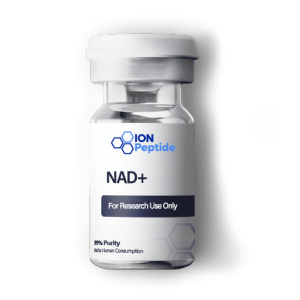
NAD+ is a crucial coenzyme that plays a central role in regulating cellular energy and metabolic pathways. Research indicates that NAD+ is involved in mitochondrial function, ATP production, and enzymatic reactions that control metabolism. By influencing sirtuins, PARP enzymes, and redox reactions, NAD+ ensures efficient energy generation, DNA repair, and stress resistance in cells. Studies show that maintaining adequate NAD+ levels can improve metabolism, enhance physical performance, support cognitive function, and promote overall cellular health. Furthermore, NAD+ is linked to regulating glucose and lipid metabolism, which is essential for sustaining energy balance and systemic health. Scientists are exploring how NAD+ impacts aging, recovery, and metabolic diseases, making it a pivotal molecule for health optimization. Its ability to enhance energy efficiency, protect cells, and support long-term metabolic stability underscores why NAD+ has become a focus of research in bioenergetics and longevity science.
How NAD+ Influences Cellular Energy
NAD+ (Nicotinamide Adenine Dinucleotide) is fundamental for energy production within the mitochondria, the powerhouse of the cell. In energy metabolism, NAD+ cycles between its oxidized form (NAD+) and reduced form (NADH), facilitating electron transfer in the electron transport chain. This process generates ATP, the primary energy currency, which is necessary for muscle function, neuronal activity, and cellular maintenance. When NAD+ levels are insufficient, cells experience reduced energy output, fatigue, and impaired metabolic function. Supplementing or boosting NAD+ ensures that mitochondria operate efficiently, promoting sustained energy production and optimal metabolic activity throughout the body.
NAD+ and Metabolic Pathways
NAD+ regulates several key metabolic pathways by acting as a cofactor for enzymes that control glucose, lipid, and amino acid metabolism. Activation of sirtuins by NAD+ enhances energy homeostasis, improves insulin sensitivity, and supports fat metabolism. Additionally, NAD+ activates PARP enzymes, which repair DNA damage and maintain genomic stability. Through these pathways, NAD+ coordinates energy production, stress response, and tissue regeneration. Maintaining proper NAD+ levels is therefore critical for preventing metabolic decline, supporting cellular resilience, and promoting optimal energy regulation.
NAD+ and Mitochondrial Efficiency
Mitochondrial efficiency depends heavily on NAD+ availability. Within the mitochondria, NAD+ ensures that electrons from nutrients are effectively transferred to oxygen, producing ATP. This process not only fuels cellular activity but also minimizes the production of harmful reactive oxygen species. By maintaining high NAD+ levels, cells optimize mitochondrial output, reduce oxidative stress, and enhance energy efficiency. Research demonstrates that boosting NAD+ can improve endurance, delay fatigue, and enhance recovery in both muscle and neural tissues, highlighting its central role in energy regulation.
NAD+ in Neuroprotection and Brain Energy
The brain is one of the most energy-demanding organs, relying on NAD+ to maintain neuronal function and cognitive performance. By supporting mitochondrial function in neurons, NAD+ enhances ATP production, reduces oxidative damage, and facilitates DNA repair. Studies suggest that NAD+ supplementation can improve mental clarity, memory, and focus, while protecting against neurodegenerative stressors. Low NAD+ levels in the brain are linked to cognitive fatigue and reduced energy metabolism, emphasizing the importance of maintaining adequate NAD+ for optimal neurological function.
NAD+ and Muscle Performance
Muscle contraction and recovery depend on ATP availability, which is regulated by NAD+. By supporting mitochondrial energy production, NAD+ enhances endurance, strength, and recovery after exercise. It also mitigates oxidative stress in muscle cells, reducing fatigue and promoting faster tissue repair. Athletes and active individuals benefit from NAD+ pathways that improve energy efficiency, allowing for more effective training and quicker recovery times.
Why Choose Us for NAD+ Supplementation
At Ion Peptide, we provide premium-quality NAD+ designed to support energy regulation and cellular health. Our products are manufactured under strict laboratory standards to ensure purity, potency, and consistency. We provide research-backed guidance to help clients understand the benefits of NAD+ and how to use it effectively. Choosing Ion Peptide guarantees access to high-quality NAD+, expert support, and reliable formulations that enhance energy, metabolism, and recovery. Whether for athletic performance, cognitive support, or cellular health, Ion Peptide delivers NAD+ solutions you can trust.
FAQs About NAD+
Q1: How does NAD+ regulate cellular energy?A:NAD+ facilitates electron transfer in the mitochondria, supporting ATP production and efficient energy metabolism in cells.
Q2: Can NAD+ improve metabolism and physical performance?A: Yes, NAD+ enhances mitochondrial function, activates sirtuins, and regulates energy pathways, improving metabolic efficiency and muscle performance.
Q3: Is NAD+ safe for supplementation?A: Research shows that NAD+ has a favorable safety profile when sourced from high-quality suppliers and used according to guidelines.
Conclusion
Understanding NAD+ pathways in energy regulation reveals its central role in cellular metabolism, mitochondrial efficiency, and systemic health. By supporting ATP production, activating sirtuins, and facilitating DNA repair, NAD+ ensures that cells maintain energy balance, resilience, and optimal function. Its benefits extend to muscles, neurons, and metabolic tissues, promoting enhanced performance, recovery, and cognitive clarity. Choosing a trusted provider like Ion Peptide guarantees access to high-quality NAD+, backed by research and professional guidance. With its critical role in energy production, metabolism, and cellular protection, NAD+ remains a key molecule for health, longevity, and performance optimization.