Understanding the Importance of Window Installation
What is Window Installation?
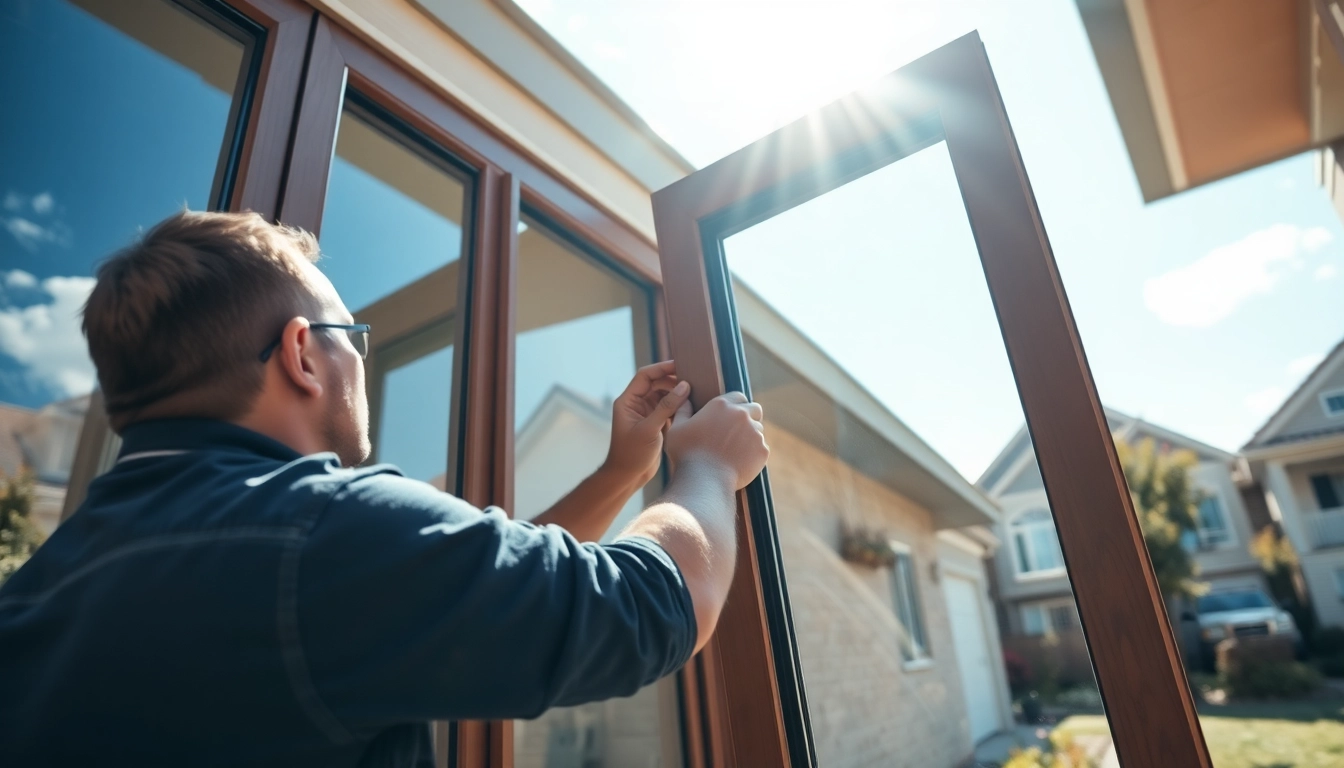
Window installation refers to the process of fitting and securing new windows in residential or commercial structures. This procedure typically involves removing old windows, preparing the framework, and positioning the new windows, followed by sealing, insulation, and ensuring proper functionality. Quality window installation ensures energy efficiency, aesthetic appeal, and security, contributing greatly to a building's overall performance.
Benefits of Proper Window Installation
Proper window installation has numerous benefits. Firstly, it enhances energy efficiency by reducing heat loss in winter and minimizing heat gain in summer. This can lead to significant savings on energy bills. Secondly, well-installed windows improve the structural integrity of the building, preventing moisture intrusion and subsequent mold growth. Additionally, windows can elevate the aesthetic appeal of a home, boosting its market value. Lastly, proper installation can enhance security by ensuring that windows are fitted securely in their frames.
Common Window Installation Materials
The choice of materials in window installation plays a crucial role in both durability and performance. Common materials include:
- Vinyl: Known for its insulation properties and low maintenance requirements.
- Wood: Offers natural beauty and excellent insulation but requires regular maintenance.
- Aluminum: Durable and lightweight but typically less efficient in terms of insulation.
- Fiberglass: Provides exceptional strength and energy efficiency but can be more costly.
Choosing the Right Windows for Your Home
Types of Windows to Consider
When selecting windows, understanding the various types available can help you make an informed choice:
- Casement Windows: Hinged at the side, offering excellent ventilation.
- Sash Windows: Slide vertically, often found in older homes.
- Bay Windows: Extend outward, providing a unique aesthetic and increased natural light.
- Fixed Windows: Non-opening windows that maximize views and light.
Energy Efficiency and Window Selection
Energy efficiency is paramount when choosing windows. Look for windows with a high Energy Star rating, which indicates superior insulation properties. Double or triple-glazing offers added thermal resistance. Additionally, factors like low-emissivity (Low-E) coatings can reduce heat transfer and UV damage to interiors.
How Climate Affects Window Choices
Your local climate greatly influences window selection. In colder climates, triple-pane windows often perform best due to their insulation properties. Conversely, in warmer regions, windows with high solar heat gain coefficients can help keep homes cooler. Understanding your local weather patterns is essential for making the right choice.
The Window Installation Process Explained
Preparing for Window Installation
Preparing for window installation involves several crucial steps. Begin by selecting the right windows based on the factors discussed earlier. Ensure that measurements are accurate, and the corresponding framing is in good condition. Weather-related considerations should also be taken into account, so scheduling installation during mild weather is advisable.
Steps in a Professional Window Installation
A professional window installation includes the following steps:
- Removal of Existing Windows: Care is taken to avoid damage to the surrounding areas.
- Preparation of the Opening: Ensuring a clean, solid structure for the new window.
- Installation of New Windows: Proper alignment and leveling are crucial.
- Sealing and Insulating: Essential for preventing air leaks.
- Final Adjustments and Clean-Up: Ensures that everything is functional and aesthetically pleasing.
Post-Installation Inspection Checklist
After installation, a thorough inspection ensures everything is properly installed and functioning. Check for:
- Proper sealing and insulation.
- Alignment and leveling of windows.
- No visible gaps or air leaks.
- Smooth operation of opening mechanisms.
- Visual aesthetics and clean finish.
Common Challenges During Window Installation
Identifying Potential Issues
Several challenges can arise during window installation, such as inaccurate measurements, poor weather conditions, and issues with old frames. Identifying these issues early can prevent costly mistakes and setbacks.
How to Prevent Installation Problems
Preventing installation problems requires careful planning. Always double-check measurements and avoid rushing the process. Hiring professional installers with experience can also mitigate risks associated with installation.
When to Call a Professional
It’s advisable to call a professional if you encounter structural issues, have poorly fitting windows, or if you're unsure about proper installation techniques. Furthermore, experts can provide insights into energy efficiency that a DIY approach might overlook.
Maintaining Your Windows After Installation
Regular Cleaning Tips
Maintaining your windows through regular cleaning is essential. Use a soft cloth and a mild detergent to avoid scratching the glass. Clean the frames and sills to prevent dirt build-up. For tough stains, consider a vinegar solution, but always test on a small area first.
Inspecting Frames and Seals
Regularly inspect the frames and seals for signs of wear or damage. Any cracks or deteriorations should be addressed promptly to prevent leaks and heat loss. This ensures the longevity of your windows and maintains their efficiency.
Seasonal Maintenance Routines
Adopting a seasonal maintenance routine can help preserve your windows. In spring, inspect and clean windows thoroughly. In winter, check for drafts and reseal if necessary. Regularly ensure that gutters and drainage paths are clear to direct water away from windows.
FAQs About Window Installation
What is the average cost of window installation?
The average cost varies widely based on material, window type, and labor. On average, homeowners can expect to spend between $300 to $1000 per window, including installation.
How long does window installation take?
Typically, the installation process for residential windows can take anywhere from a few hours to a full day per window, depending on the complexity and number of windows being installed.
Can I install windows myself?
While DIY is possible, window installation requires precision and knowledge. Hiring a professional is recommended to avoid complications and ensure correct installation for energy efficiency.
What should I do if my new windows are leaking?
If you notice leaks, inspect seals and frames for damage. Resealing or calling a professional may be necessary to rectify the issue and prevent further damage.
How often should I replace my windows?
Typically, windows should be replaced every 15 to 30 years, depending on material quality and maintenance. Regular checks can help determine the right timing for replacement.