Understanding Structural Steel Welding
Structural steel welding is a critical process in modern construction and engineering, where the joining of steel components takes center stage. It involves a variety of methods and techniques that ensure the structural integrity and longevity of buildings, bridges, and other infrastructures. By utilizing structural steel welding, builders and engineers can create robust frameworks that withstand various stresses and loads. In this article, we’ll delve deep into the world of structural steel welding, its importance, common applications, and the benefits that come with high-quality welding in structural projects.
Definition and Importance of Structural Steel Welding
Structural steel welding refers to the process of joining structural steel components through melting and fusion. This method provides a strong and durable connection that is essential for the stability of any structure. Inevitably, the strength of weld joints significantly influences a structure's performance and safety. Therefore, understanding the nuances of structural steel welding is vital for professionals in construction and manufacturing industries.
Common Applications in Construction
Structural steel welding finds applications across various sectors, including:
- Building Construction: Steel frameworks form the skeletal structure of high-rise buildings and industrial facilities.
- Bridges: Welded connections are fundamental for the strength of bridge components, ensuring they can support the loads they carry.
- Marine Structures: Offshore platforms and docks require robust welds to withstand harsh marine environments.
- Heavy Machinery and Equipment: Welded steel components are used extensively in manufacturing and maintaining heavy machinery.
Benefits of Quality Welding in Structures
Investing in quality welding during construction offers numerous advantages, including:
- Increased Durability: Well-executed welds enhance the longevity of structural components.
- Resistance to Environmental Challenges: Proper welding techniques improve resistance to corrosion and environmental degradation.
- Cost Efficiency: Quality welding reduces maintenance costs over time by minimizing repairs and replacements.
- Improved Safety: Strong welds contribute to the overall safety of structures, reducing the risk of catastrophic failures.
Techniques for Structural Steel Welding
Popular Welding Methods Explained
Various welding techniques are employed in structural steel applications, each offering unique advantages:
- Shielded Metal Arc Welding (SMAW): Also known as stick welding, this method uses a consumable electrode coated in flux, providing a simple yet effective means of welding in various positions.
- Gas Metal Arc Welding (GMAW): This process utilizes a continuous wire feed as an electrode while shielding the weld pool with an inert gas, resulting in cleaner welds and higher speeds.
- Flux-Cored Arc Welding (FCAW): Similar to GMAW, FCAW uses a tubular wire filled with flux as the electrode, making it effective in outdoor conditions.
- Submerged Arc Welding (SAW): This method produces high-quality welds through a submerged arc, making it suitable for thick materials and large-scale projects.
Choosing the Right Technique for Your Project
Selecting the most suitable welding technique depends on various factors: material type, project scale, environmental conditions, and desired weld characteristics. For example, SMAW is highly versatile but may not be as efficient for larger projects compared to GMAW or FCAW. On the other hand, SAW is ideal for thick materials but requires specialized equipment and preparation.
Advantages of Each Welding Technique
The choice of welding technique can significantly affect the outcome of a project:
- SMAW: Highly versatile, suitable for various positions, and can be performed outdoors.
- GMAW: Offers high speed and efficiency, produces less smoke and spatter, and has a cleaner finish.
- FCAW: Effective in windy conditions and offers deep penetration, making it suitable for heavier applications.
- SAW: Capable of producing large welds in thick materials quickly, yielding excellent quality.
Standards and Safety in Structural Steel Welding
Essential Safety Practices for Welders
Welding poses inherent risks, making safety a top priority. Essential practices include:
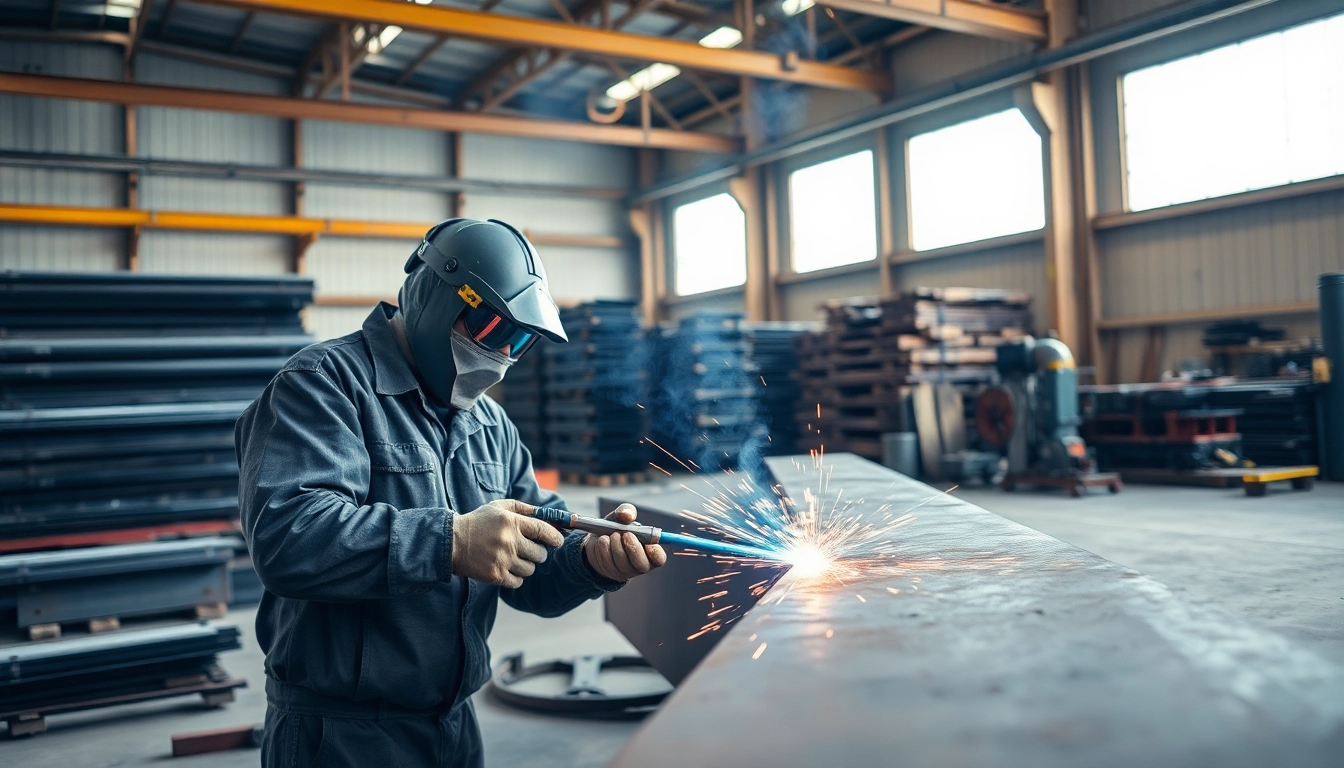
- Personal Protective Equipment (PPE): Always wear appropriate gear, including helmets, gloves, and protective clothing.
- Ventilation: Ensure adequate ventilation to limit exposure to harmful fumes and gases.
- Fire Safety: Have fire extinguishing equipment readily available and maintain a safe distance from flammable materials.
- Training: All welders should receive proper training to understand equipment and safety protocols.
Regulatory Standards in Welding
In the world of structural steel welding, following established regulations is vital. Organizations like the American Welding Society (AWS) and other national standards provide guidelines on welding processes, qualifications, and safety measures. Compliance with these standards ensures that projects meet quality and safety requirements throughout the welding lifecycle.
Maintaining Quality Control in Welding Processes
To ensure high-quality welds, it is essential to implement effective quality control measures. This involves:
- Regular Inspections: Performing visual inspections and non-destructive testing to identify defects.
- Welding Procedure Specifications (WPS): Developing and adhering to WPS outlines to standardize welding practices.
- Welder Qualifications: Regularly assessing and certifying welders to ensure they meet competency standards.
Careers in Structural Steel Welding
Job Roles and Responsibilities
Structural welding plays a vital role in the construction industry, resulting in various specialized job roles, including:
- Structural Welder: Responsible for assembling and welding steel components.
- Welding Inspector: Ensures compliance with welding codes and standards through inspections and tests.
- Welding Engineer: Designs welding processes and ensures quality standards are met.
- Fabricator: Prepares and fabricates metal structures before welding.
Skills Required for Success
A successful career in structural steel welding demands a diverse set of skills, including:
- Technical Skills: Proficiency in various welding techniques and equipment.
- Attention to Detail: Ability to identify imperfections in welds and ensure compliance with quality standards.
- Problem Solving: Strong analytical skills to troubleshoot issues that may arise during the welding process.
- Physical Stamina: The capability to work in challenging environments and maintain focus on the task at hand.
Career Growth and Opportunities in Welding
The demand for skilled welders continues to grow, driven by ongoing infrastructure projects and the construction industry’s expansion. Career advancement opportunities include advancing to supervisory positions, specialized welding roles, and furthering education with certifications in welding technology and engineering.
FAQs on Structural Steel Welding
What type of welding is used for structural steel?
The two primary types used for structural steel are manual arc welding and automatic/semi-automatic arc welding, each catering to different project needs.
What does a structural steel welder do?
A structural welder constructs and installs steel structures, working on essential components like beams and columns to ensure structural integrity.
Is structural welding a good career?
Yes, structural welding is a solid career choice due to the growing infrastructure projects and a high demand for skilled tradespeople.
Which is better, SMAW or GMAW?
SMAW is rugged and versatile for various positions, while GMAW provides faster, cleaner welds suitable for production environments.
What certifications do structural welders need?
Certifications vary by industry but often include AWS certifications and adherence to structural welding codes to ensure standards compliance.