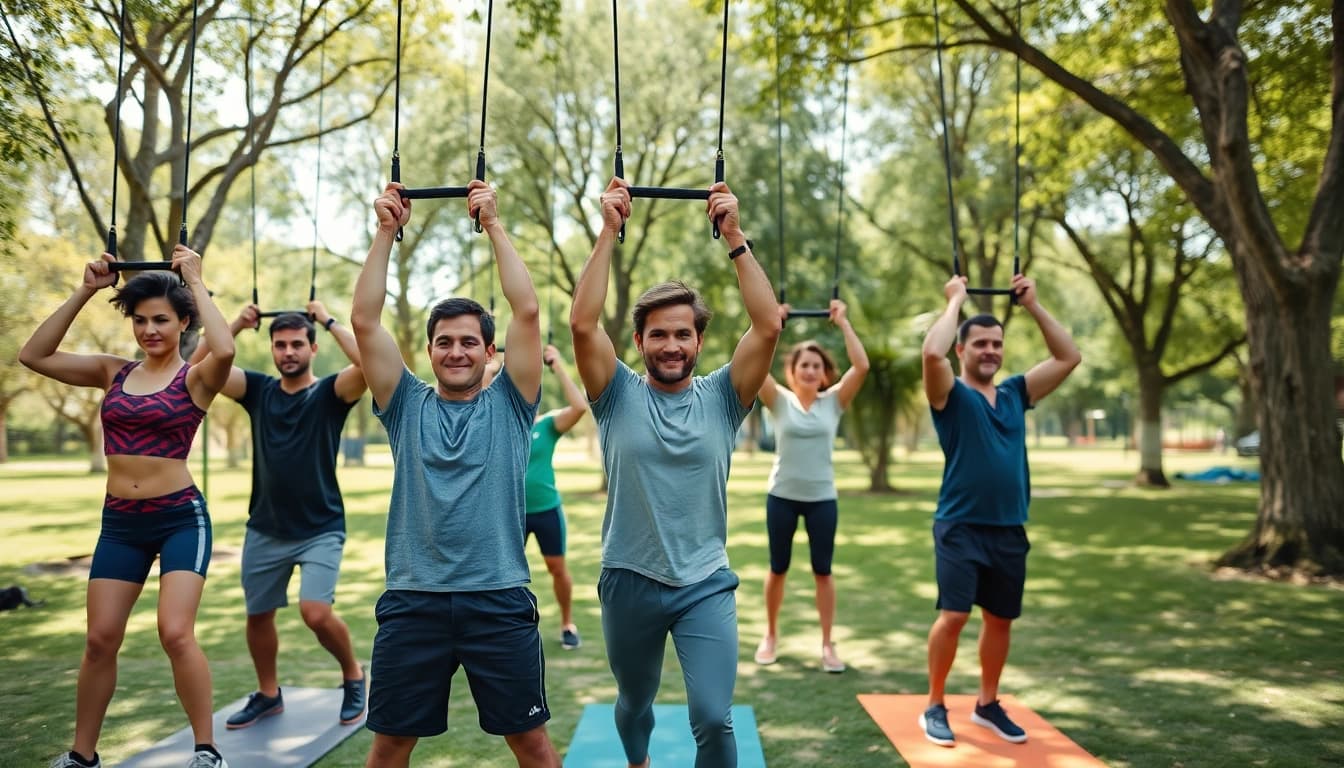
Understanding Pull-Up Resistance Bands
In the world of fitness, resistance bands have been gaining popularity for their versatility and effectiveness. Among these, pull-up resistance bands stand out as a crucial tool for strength training, particularly for those looking to master pull-ups. These bands provide a means to build strength progressively, whether you're a beginner or an experienced athlete. Understanding how to properly utilize these bands can lead to significant improvements in upper body strength, endurance, and overall fitness performance.
What Are Pull-Up Resistance Bands?
Pull-up resistance bands are strong, elastic bands designed to assist with the pull-up exercise, among others. They come in varying widths and resistance levels, accommodating different fitness levels and training goals. Typically made from latex or rubber, these bands can be looped around a pull-up bar and under your feet or knees to help lift your body weight during the exercise. This assistance enables users to perform pull-ups more easily, gradually working up to performing them unassisted.
Benefits of Using Pull-Up Resistance Bands for Strength Training
Incorporating pull-up resistance bands into your training regimen offers numerous benefits:
- Enhanced Muscle Engagement: Resistance bands promote muscle activation during exercises, engaging core and stabilizing muscles that might not be fully utilized without assistance.
- Reduced Risk of Injury: By providing support, these bands help to ease the strain on joints and muscles, making it safer for beginners or those recovering from injuries.
- Improved Progress Tracking: As you gain strength, you can decrease the band resistance or transition to lighter bands, allowing for continuous progression.
- Versatility: Beyond pull-ups, resistance bands can be used for a variety of exercises, targeting different muscle groups for a full-body workout.
- Portability: Lightweight and easy to store, these bands can be taken anywhere, making them ideal for home workouts or travel.
Different Types and Variations of Resistance Bands
Resistance bands come in various styles, each suited for different training needs:
- Loop Bands: These bands are circular and are often used for pull-ups and other bodyweight exercises.
- Therapy Bands: These are flat bands typically used for rehabilitation and physical therapy.
- Figure 8 Bands: Shaped like a figure eight, these bands are more targeted for strength training.
- Fabric Bands: These provide more comfort for certain exercises and are less likely to snap or pull at the skin.
Choosing the Right Pull-Up Resistance Band
When selecting the right pull-up resistance band, several factors should be taken into consideration to ensure you choose the best fit for your goals and current fitness level.
Factors to Consider When Selecting Resistance Bands
- Resistance Level: Bands come in varying resistance levels, generally indicated by color. Beginners should start with lighter bands and gradually work their way up.
- Material: Most resistance bands are made from latex, but if you have a latex allergy, look for alternative materials like fabric or rubber.
- Length and Size: Ensure the size of the band suits your height and the exercises you plan to perform.
Weight and Resistance Levels: What You Need to Know
Understanding the weight and resistance levels is crucial in selecting a band. Each band will have a specific weight range that it can assist with. For beginners, a band with a resistance of around 20-30 lbs is often ideal, as it allows for manageable support while building strength.
Top Brands and Products for 2026
When looking for reputable brands, consider the following:
- Rogue Fitness: Known for high-quality fitness equipment.
- DMoose: Offers durable resistance bands ideal for intense workouts.
- Rubberbanditz: Provides a wide range of bands suitable for various exercises.
Effective Pull-Up Resistance Band Exercises
Incorporating pull-up resistance bands into your fitness routine can enhance muscle strength and endurance. Here are some effective exercises to get you started.
Beginner-Friendly Pull-Up Assistance Techniques
For those just starting, the band-assisted pull-up is an excellent way to build strength. Here’s how:
- Attach the band to the pull-up bar.
- Loop the other end around your foot or knee.
- Grip the bar with an overhand grip and engage your core.
- Pull yourself up, using the band for assistance, until your chin is above the bar.
- Lower yourself slowly to maximize engagement.
Intermediate and Advanced Resistance Band Workouts
As you progress, you can incorporate more challenging movements such as:
- Band Pull-Aparts: Stand on the band and pull the ends apart to work on shoulder strength.
- Assisted Dips: Use the band for support while performing dips on parallel bars.
Incorporating Resistance Bands into Your Routine
To maximize benefits, combine resistance bands with free weights or other bodyweight exercises. This hybrid approach helps ensure balanced muscle development and enhances functional strength.
Common Mistakes with Pull-Up Resistance Bands
While pull-up resistance bands are effective, users often encounter common pitfalls that can hinder progress.
Avoiding Injury: Proper Form and Techniques
Maintaining proper form during exercises is crucial. Many injuries occur from compensating for weak muscles by using incorrect techniques:
- Always engage your core to support your back.
- Don’t rush through movements; focus on control to avoid injury.
Misconceptions About Resistance Band Training
Some people believe that resistance bands are only for beginners. In reality, they can be extremely beneficial for advanced athletes as well, offering dynamic movements for strength training.
How to Rectify Common Usage Mistakes
To avoid mistakes, always focus on your range of motion and strive for gradual progression. Regularly reassess your form and resistance levels to ensure optimal results.
Future Trends in Fitness with Pull-Up Resistance Bands
The fitness industry is constantly evolving, and pull-up resistance bands are at the forefront of emerging training trends.
Innovative Training Methods Emerging by 2026
We are likely to see an increase in hybrid workout routines combining resistance bands with high-intensity interval training (HIIT) and functional fitness approaches, enhancing overall strength and cardio performance.
The Role of Technology in Resistance Training
Fitness technology will play a significant role, offering users smart resistance bands that track performance metrics, ensuring effective workouts.
Building Community and Support Using Resistance Bands
Online communities and fitness classes focused on resistance band training will continue to blossom, providing motivation and support for individuals striving to achieve their fitness goals.