
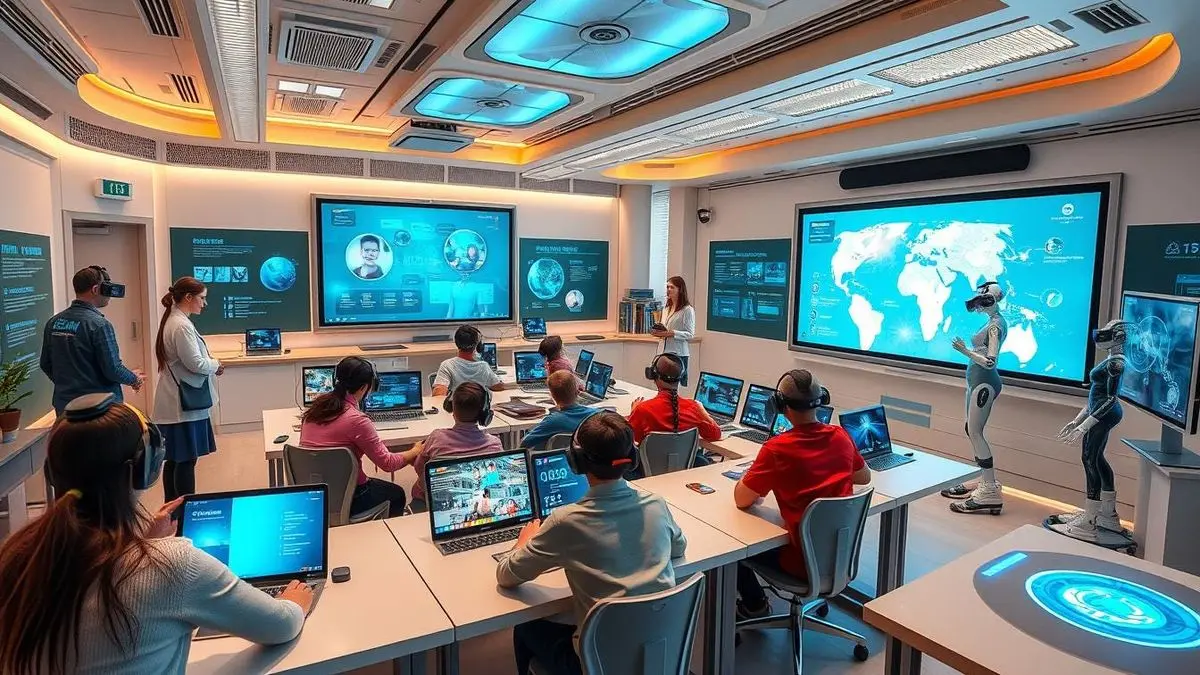
In modern education, the focus has shifted from rote memorization to fostering deeper understanding and critical thinking. Traditional teaching methods, while effective in some contexts, often struggle to maximize student learning potential. Gamification in education has emerged as a revolutionary approach, leveraging game-based principles to enhance knowledge acquisition, comprehension, and skill development. By integrating interactive elements into the learning process, educators can significantly improve learning outcomes while keeping students motivated and engaged.
Understanding the Impact of Gamification on Learning
Gamification in education is more than adding points or badges to assignments. It involves the strategic incorporation of game mechanics to drive meaningful engagement and reinforce learning objectives. By making learning interactive, gamified approaches stimulate cognitive, emotional, and social development, leading to measurable improvements in performance and retention.
How Gamification Enhances Cognitive Skills
Gamification encourages active learning by presenting content through challenges, simulations, and problem-solving tasks. These activities stimulate critical thinking, analytical skills, and creativity. Students are prompted to apply concepts in real-world contexts, promoting deeper comprehension. Interactive scenarios and branching tasks also foster decision-making abilities, helping learners develop strategies and solutions rather than simply memorizing information.
Emotional and Motivational Benefits
A critical factor in learning outcomes is student motivation. Gamification in education harnesses the power of rewards, recognition, and achievement systems to maintain enthusiasm and persistence. Points, badges, and progress tracking provide immediate feedback, instilling a sense of accomplishment and encouraging continued effort. Motivated students are more likely to engage consistently, complete assignments, and participate in discussions, all of which contribute to improved academic performance.
Behavioral Engagement and Active Participation
Gamified learning environments encourage consistent participation through interactive tasks and challenges. When students see tangible rewards for completing exercises or mastering skills, they are more inclined to exhibit positive behaviors such as collaboration, timely submissions, and active problem-solving. Behavioral engagement reinforces knowledge application, ultimately improving learning outcomes across diverse subjects.
Implementing Gamification to Improve Learning Outcomes
The effectiveness of gamification in education depends on thoughtful design and alignment with curriculum goals. Simply adding points or badges without strategic intent may fail to produce meaningful learning improvements.
Aligning Game Mechanics with Learning Objectives
Educators must carefully select gamification elements that support specific learning outcomes. For example, complex problem-solving tasks can be gamified with levels and quests to promote critical thinking, while leaderboards and badges can incentivize consistent practice in skill-based subjects. Aligning game mechanics with desired educational outcomes ensures that engagement directly contributes to learning.
Personalization and Adaptive Learning
Gamification in education can be tailored to individual learner needs, optimizing the path to improved outcomes. Adaptive challenges adjust in difficulty based on student performance, providing the right level of challenge for each learner. Personalized rewards and feedback help maintain motivation and target specific areas for growth, fostering mastery and confidence.
Collaborative and Competitive Elements
Balancing collaboration and competition is crucial for enhancing learning outcomes. Cooperative challenges encourage teamwork, communication, and knowledge sharing, while competitive elements, such as leaderboards, stimulate motivation to excel. Gamification in education that integrates both approaches ensures students develop academic skills alongside social and emotional competencies.
Digital Tools Supporting Gamified Learning
Technological advancements have expanded the possibilities for gamification in education. Digital platforms provide scalable and flexible ways to implement gamified learning strategies that improve outcomes.
Learning Management Systems
Modern learning management systems (LMS) often include gamification features such as points, badges, and progress tracking. These systems allow educators to monitor student performance, deliver interactive assignments, and provide immediate feedback, creating a structured pathway for improved learning outcomes.
Educational Apps and Interactive Platforms
Gamified educational apps offer immersive experiences, simulations, and challenges that engage learners while reinforcing core concepts. These platforms often incorporate analytics to track progress and identify areas where students may need additional support, ensuring targeted learning interventions.
AI-Enhanced Gamification
Artificial intelligence enhances the effectiveness of gamification in education by delivering adaptive content tailored to individual learning profiles. AI-powered platforms can recommend challenges, adjust difficulty levels, and provide real-time feedback, helping students achieve higher learning outcomes efficiently and effectively.
Evidence Supporting Gamification and Learning Outcomes
Research consistently demonstrates that gamification in education leads to measurable improvements in academic performance, knowledge retention, and skill development.
Case Studies in STEM Education
In STEM subjects, gamification has proven particularly effective in enhancing problem-solving and analytical skills. Interactive simulations and gamified experiments allow students to explore abstract concepts in practical, hands-on ways, improving comprehension and retention.
Language Acquisition and Literacy
Gamified language learning platforms have shown significant gains in vocabulary, grammar, and comprehension. Features such as levels, streaks, and instant feedback keep learners engaged, promoting consistent practice and accelerated skill acquisition.
Higher Education Applications
Universities implementing gamified elements in coursework report increased attendance, participation, and assessment performance. Gamification motivates students to take ownership of their learning, fostering a proactive approach that translates into improved academic outcomes.
Overcoming Challenges in Gamification
While gamification in education offers numerous benefits, its implementation must be carefully managed to avoid potential pitfalls.
Avoiding Over-Reliance on Extrinsic Rewards
Excessive focus on points, badges, or leaderboards may shift motivation from learning to reward-seeking. Effective gamification prioritizes intrinsic motivation, ensuring that students value the learning process itself alongside the game-based incentives.
Ensuring Inclusivity and Accessibility
Gamified learning should accommodate diverse learning styles, abilities, and access to technology. Inclusive design ensures that all students can participate fully, promoting equitable opportunities for improved outcomes.
Maintaining Balance Between Engagement and Curriculum
While gamification enhances engagement, it should never compromise curriculum standards or learning objectives. Game mechanics must support, rather than overshadow, the educational content, ensuring that improvements in engagement translate into genuine learning gains.
Future Directions for Gamification in Education
The role of gamification in education is set to expand as technology and pedagogical research continue to evolve. Emerging trends promise further enhancements in learning outcomes.
Immersive Virtual and Augmented Reality
Gamification combined with virtual and augmented reality offers immersive experiences that deepen understanding and retention. Students can explore complex scenarios and interactive simulations, transforming abstract concepts into tangible learning experiences.
Personalized AI-Driven Learning Paths
AI-powered gamification enables fully personalized learning experiences. By analyzing performance and engagement data, platforms can optimize challenge levels, provide targeted feedback, and guide learners toward mastery, maximizing learning outcomes.
Lifelong Learning and Professional Development
Gamification is increasingly applied in professional training, corporate learning, and lifelong education. Interactive modules and microlearning experiences enhance skill acquisition, knowledge retention, and practical application, demonstrating the versatility of gamification beyond traditional classrooms.
Conclusion
Gamification in education offers a powerful approach to improving learning outcomes by integrating engaging, interactive, and motivating elements into the learning process. By stimulating cognitive, emotional, and behavioral engagement, gamified strategies enhance comprehension, retention, and skill development. Thoughtful implementation, alignment with learning objectives, and the use of technology ensure that gamification contributes meaningfully to student success.
As educational systems continue to embrace innovation, gamification in education stands as a transformative strategy, fostering deeper learning, sustained engagement, and measurable improvements in academic performance. By leveraging game-based principles, educators can create dynamic learning environments where students are motivated to achieve their fullest potential.