Understanding Structural Steel Installation
Structural steel installation is a critical aspect of modern construction, providing the skeletal framework for a multitude of buildings and structures. The installation process not only demands skilled labor but also meticulous planning, strategic execution, and adherence to safety regulations. As the industry evolves, so too does the methodology behind structural steel installation, with advancements aimed at enhancing efficiency and safety. In this article, we will delve into the components, best practices, and future trends associated with structural steel installation.
What is Structural Steel Installation?
Structural steel installation refers to the process of assembling steel components into a cohesive structural framework. This framework serves as the backbone of buildings, bridges, and other infrastructures, ensuring stability and support. The key materials used in this installation include steel beams, columns, and bracings that are designed according to civil engineering principles.
Importance of Proper Installation Techniques
The importance of proper installation techniques cannot be overstated. Proper installation affects the structural integrity of the entire project. Mistakes during this phase can lead to safety hazards, increased costs, and extensive rework. Moreover, adhering to correct installation practices ensures compliance with building codes and regulations, thus protecting the interests of contractors and clients alike.
Overview of the Installation Process
The installation process can be succinctly broken down into several critical phases: preparation, actual assembly, inspection, and finishing touches. Each phase plays a vital role in ensuring that the installation meets the required standards and is executed efficiently. A well-planned sequence not only facilitates smooth workflow but also minimizes delays and resource wastage.
Key Components of Structural Steel Installation
Preparation: Site and Foundation
Preparation is the foundation for any successful installation. Analyzing the site conditions and preparing the foundation are vital. The foundation must be solid and stable to support the weight of steel structures. Poor soil conditions can lead to structural failures down the line. The use of geotechnical surveys to assess soil quality and stability is a common practice before commencing the installation of structural steel components.
Essential Equipment for Steel Installation
The right equipment is crucial for effective structural steel installation. Heavy machinery such as cranes, forklifts, and hoists are utilized for lifting and positioning steel beams and columns. Additionally, tools like wrenches, drills, and welding machines are essential for the assembly process. Ensuring that all equipment is maintained and complies with safety standards is critical to prevent accidents on-site.
Material Selection and Quality Assurance
The quality of materials used in structural steel installation has a direct impact on the durability and safety of the construction. Sourcing high-grade steel that meets regulatory standards is fundamental. Factors like load-bearing capacity, corrosion resistance, and weldability should influence the selection process. Comprehensive quality assurance protocols must also be established to regularly monitor material integrity from procurement to installation.
Step-by-Step Guide to Structural Steel Installation
Planning and Design Considerations
The success of structural steel installation begins long before any steel reaches the site. Effective planning and design are critical. This includes creating detailed blueprints and structural calculations, as well as closely coordinating with engineers and architects to ensure a cohesive design. Utilizing Building Information Modeling (BIM) can significantly enhance planning by allowing for simulated structural assembly and early detection of potential issues.
Executing Steel Beam and Column Placement
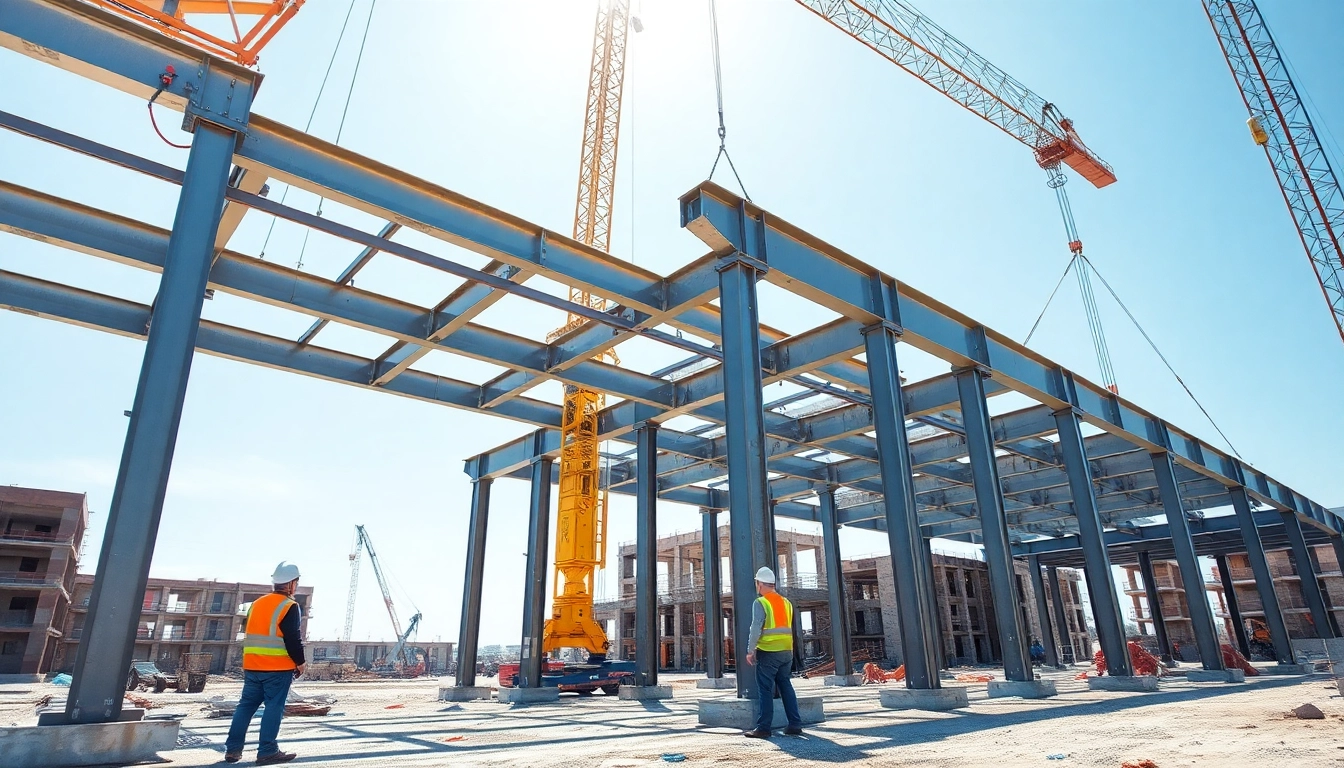
The actual installation of steel beams and columns is a carefully coordinated process. It involves precise lifting, setting, and securing of components. Generally, columns are installed first, followed by the beams that connect them. This step demands skilled crane operators and riggers to ensure proper alignment. The use of temporary bracing during this phase is crucial to maintain stability until the entire framework is secured.
Finishing Touches: Bolting and Welding
The final phase of structural steel installation involves bolting and welding. These techniques ensure that all components are securely connected, providing the required strength and stability. It is essential to follow recommended practices for snug-tightening bolts and for applying welding techniques to minimize risks of structural failure. Inspection and testing of these connections should follow to confirm integrity.
Best Practices for Safe Structural Steel Installation
Safety Precautions and Regulations
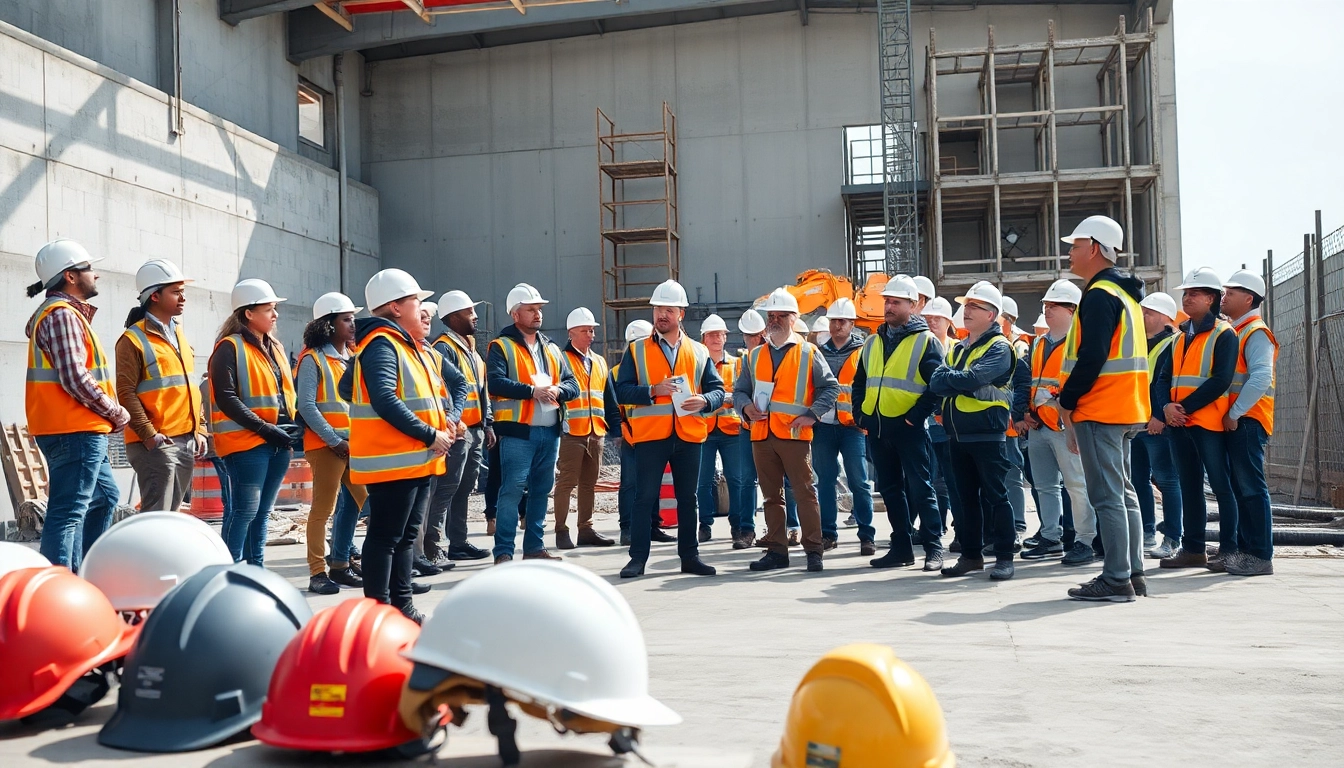
Safety should be the foremost priority during structural steel installation. This includes strict adherence to OSHA regulations and ensuring that all workers are equipped with necessary personal protective equipment (PPE). Regular safety training and drills can help improve readiness for emergencies. Establishing a clear communication protocol on-site can also mitigate risks associated with misunderstandings.
Common Mistakes and How to Avoid Them
Common mistakes in structural steel installation can lead to significant repercussions. Examples include improper alignment of components, inadequate fastening, and failure to account for environmental factors like wind resistance. Checklist systems should be employed to review essential steps. Engaging experienced professionals significantly lowers the risk of errors, as does utilizing thorough project management practices.
Regular Maintenance and Inspections
Once installation is complete, it’s imperative to implement a robust maintenance and inspection schedule. Regular checks can identify issues such as rust, corrosion, or structural deformities before they escalate into serious problems. Maintenance should also include repairing connections and coatings, which can protect against environmental degradation.
Future Trends in Structural Steel Installation
Emerging Technologies in Steel Construction
Emerging technologies are poised to revolutionize structural steel installation. Innovations like robotics, augmented reality (AR), and advanced software programs are enabling greater precision and efficiency in installation processes. Robotics, in particular, can automate tasks such as welding and assembly, which reduces human error and speeds up the construction timeline.
Sustainable Practices in Structural Steel Installation
The construction industry is increasingly focused on sustainability. Utilizing recycled steel and implementing green practices in installation processes can reduce environmental impact significantly. Techniques such as optimizing steel usage to minimize waste and sourcing from eco-friendly suppliers are becoming standard in modern construction protocols.
Impact of Automation and Robotics
The integration of automation and robotics in structural steel installation is a growing trend aimed at enhancing efficiency. Automated technologies allow for repetitive tasks to be performed with high accuracy and speed, which minimizes labor costs while ensuring safety compliance. As the technology evolves, it is anticipated that much of the labor-intensive work will transition towards automated solutions, transforming the way structural steel is installed.
This comprehensive article provides insight into the multifaceted components of structural steel installation, emphasizing the importance of strategies that prioritize safety and efficiency. By implementing these best practices and embracing innovative technologies, professionals can ensure success in their structural projects.