Understanding Crawl Space Restoration
What is Crawl Space Restoration?
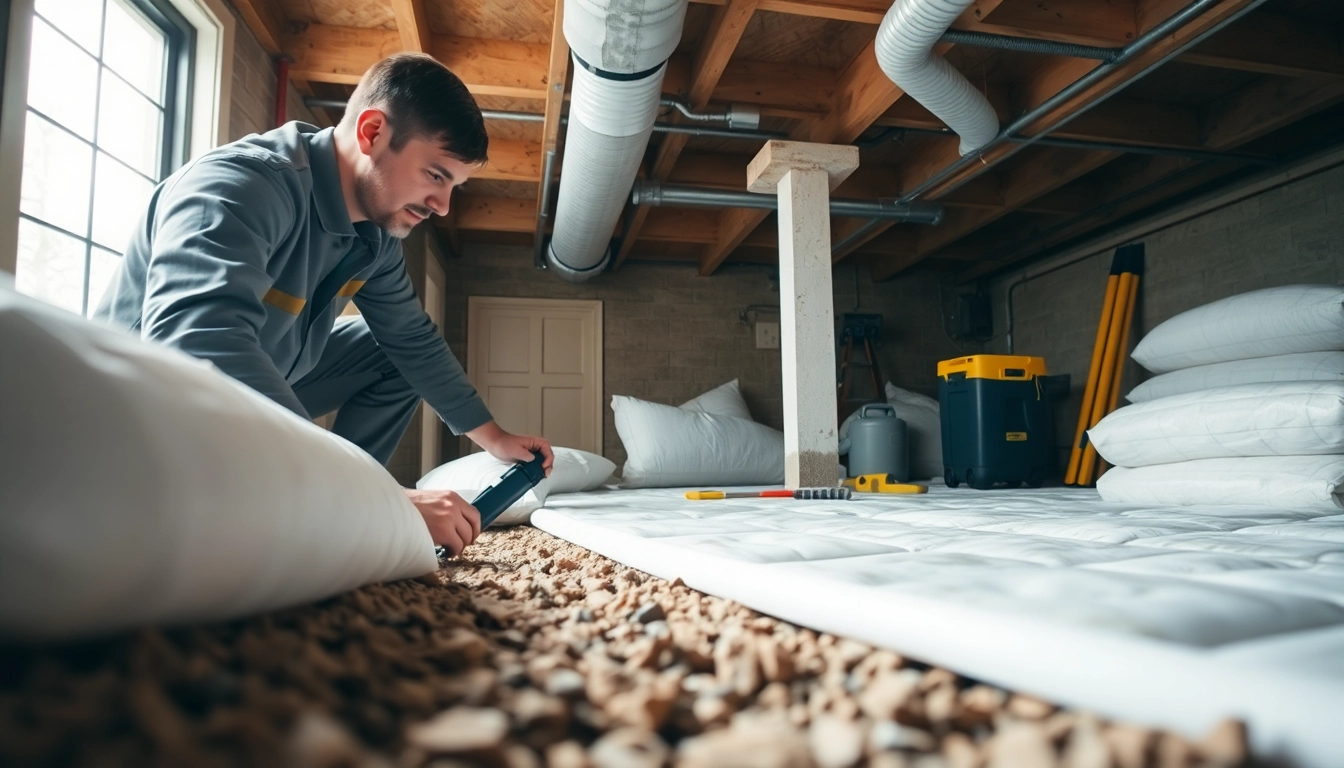
Crawl Space Restoration is a comprehensive process aimed at repairing and improving the condition of crawl spaces in residential and commercial properties. This often neglected area can significantly affect the overall health of a building when it becomes damp, moldy, or infested. Effective restoration involves thorough inspection, mitigation of moisture, installation of insulation, and enhancing ventilation systems, ensuring the crawl space is both efficient and safe.
Importance of Crawl Space Restoration
Understanding the importance of Crawl Space Restoration is essential for homeowners and property managers. An unmonitored crawl space can lead to numerous issues, including structural damage, poor indoor air quality, and energy inefficiency. Since this area often harbors pests and mold, restoring it not only prolongs the lifespan of the building but also creates a healthier living environment. Proper restoration can lead to increased property value and savings on energy bills.
Common Issues in Crawl Spaces
Crawl spaces are prone to a variety of issues that can escalate if not addressed. Common problems include:
- Moisture Accumulation: Often due to inadequate drainage or poor ventilation.
- Mold Growth: A direct result of excess moisture, leading to health risks.
- Pest Infestations: Rodents and insects thrive in damp environments.
- Structural Damage: Wood rot and sagging floors are signs of compromised structural integrity.
Signs You Need Crawl Space Restoration
Identifying Structural Problems
One of the first signs that a crawl space needs restoration is a shift in structural integrity. Homeowners may notice sagging floors, cracked walls, or doors and windows that no longer fit properly. These issues indicate that moisture has likely compromised the foundation or supporting beams.
Signs of Moisture Damage
Moisture damage can manifest in various ways. Look for water stains on floor joists, foundation walls, or insulation. Musty odors emanating from vents can also be a telltale sign of mold growth, which thrives in moist environments. It's vital to address these issues promptly to prevent further damage and health risks.
Signs of Pest Infestation
Pests such as termites, rodents, and various insects are more than just a nuisance; they can also cause significant damage to structural elements. Signs of pest infestations include droppings, gnawing marks on wood, and nests. A thorough inspection can help identify the extent of infestation and necessary restoration measures.
Steps in the Crawl Space Restoration Process
Initial Inspection and Assessment
The first critical step in Crawl Space Restoration is a detailed inspection that identifies existing problems. This involves checking for signs of moisture, structural issues, insulation conditions, and pest presence. Trained professionals use tools and techniques to assess the space and formulate a tailored restoration plan.
Moisture Control Solutions
Once issues are identified, the next step is implementing moisture control strategies. Solutions may include installing a vapor barrier to prevent ground moisture from rising, enhancing drainage systems to divert water away from the foundation, and utilizing dehumidifiers to manage humidity levels effectively.
Insulation and Ventilation Improvements
Proper insulation and ventilation are crucial to maintaining a dry and healthy crawl space. Upgrading insulation can prevent heat loss and increase energy efficiency. Additionally, improving ventilation ensures that fresh air circulates, reducing the chances of mold growth. Sealing vents during winter and allowing airflow in summer may also be part of the strategy.
DIY vs. Professional Crawl Space Restoration
When to Consider Professional Help
While some tasks can be handled by keen DIYers, complex restoration issues often require professional intervention. If significant structural problems, extensive mold growth, or serious pest infestations are evident, calling in professionals can ensure the work is done safely and effectively. They possess the knowledge and tools needed for thorough assessments and repairs.
Cost Considerations
The cost of Crawl Space Restoration varies widely based on several factors, including the size of the space, the extent of damage, and the solutions required. On average, homeowners can expect to spend anywhere from a few hundred to several thousand dollars. It is advisable to obtain quotes from multiple contractors to find the best balance between cost and quality.
DIY Maintenance Tips
Regular maintenance can help prevent the need for extensive restoration. Here are some DIY tips:
- Check for moisture weekly, especially after heavy rains.
- Inspect insulation and ventilation systems at least biannually.
- Keep debris away from the foundation to promote drainage.
- Install a dehumidifier for ongoing moisture control.
Maintaining Your Restored Crawl Space
Regular Inspections
Post-restoration, it's crucial to maintain the crawl space with regular inspections. Homeowners should schedule checks at least twice a year to ensure that no new issues have arisen. Look for signs of moisture and pest activity, and assess the condition of insulation and vapor barriers.
Preventative Measures
To prevent future restoration needs, adopt preventative measures. This may include installing drainage systems, ensuring proper grading around your property, and keeping gutters clean and properly functioning. Regularly monitoring humidity levels can also help maintain an optimal environment in the crawl space.
FAQs About Crawl Space Restoration
1. How often should I inspect my crawl space?
It's advisable to inspect your crawl space at least twice a year, especially before and after seasons with heavy rainfall.
2. Can I restore my crawl space myself?
Some minor maintenance tasks can be DIY projects, but significant issues like mold or structural damage typically require professional help.
3. What are the risks of not restoring my crawl space?
Neglecting crawl space restoration can lead to serious structural damage, mold growth, poor air quality, and potential pest infestations.
4. How much does crawl space restoration cost?
The cost varies based on size and damage level but typically ranges from a few hundred to several thousand dollars.
5. What is a vapor barrier, and do I need one?
A vapor barrier is a waterproof membrane that prevents moisture from entering the crawl space. It is highly recommended for moisture control.