

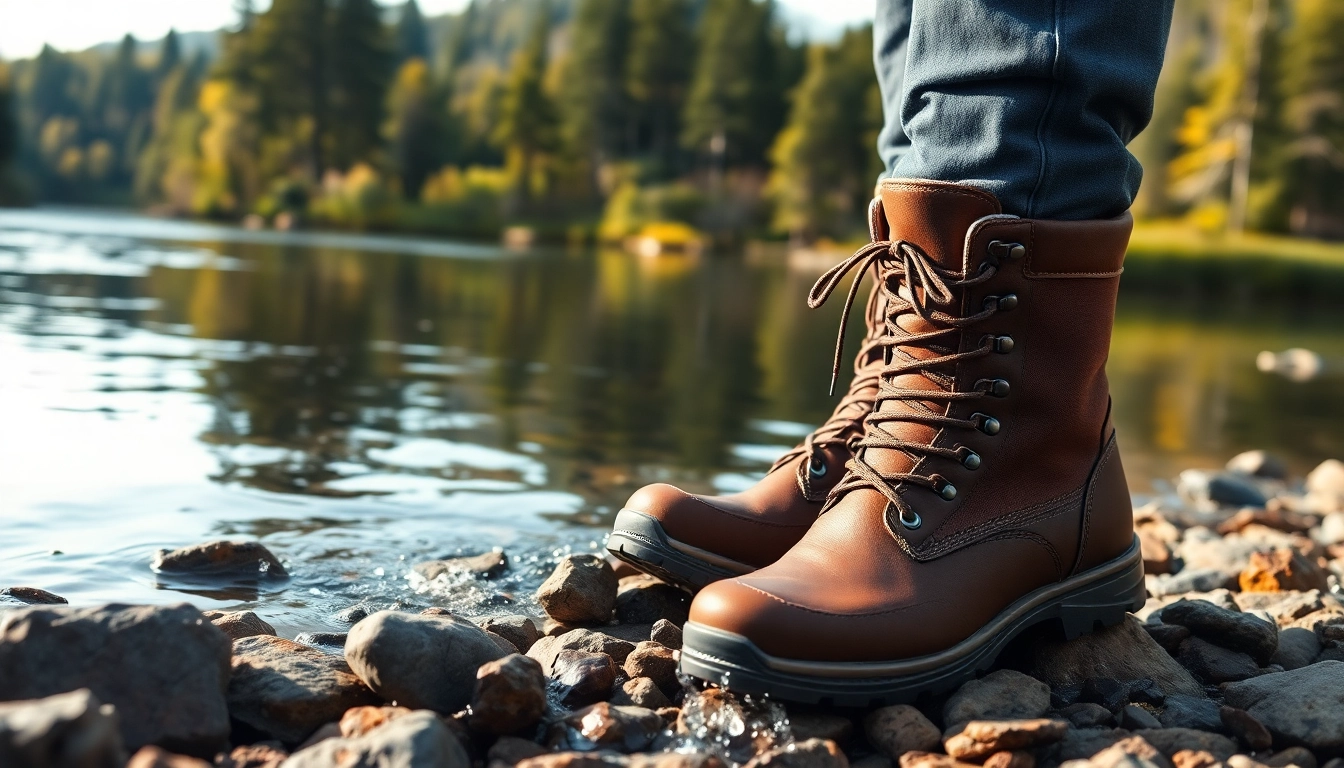
Understanding Fly Fishing Boots
Choosing the right equipment is essential for any angler, and that includes the vital piece of gear known as shoes or boots. In the world of fly fishing, fly fishing boots offer support, safety, and comfort, enhancing your overall fishing experience. However, with numerous options available, understanding the various types and features of fly fishing boots is crucial for making an informed decision.
Types of Fly Fishing Boots: What You Need to Know
Fly fishing boots can be categorized into various types, each designed for specific fishing environments and preferences. The most common types include:
- Wading boots: Made to provide grip and support while you wade through rivers and streams. They are designed to protect your feet from sharp objects and ensure excellent traction on slippery surfaces.
- Soft-soled boots: These are lightweight options that offer flexibility. Ideal for fishing in sandy environments, soft-soled boots typically feature rubber outsoles.
- Studded boots: Equipped with metal or rubber studs to increase traction on rocky or slippery surfaces. These are perfect for anglers needing additional grip in challenging environments.
- Breathable wading boots: Featuring a lightweight, breathable design, these boots are suitable for warmer waters and conditions, keeping your feet cool while providing adequate support.
Key Features of Quality Fly Fishing Boots
When investing in a pair of fly fishing boots, consider the following key features:
- Waterproofing: Essential for keeping your feet dry during fishing sessions, as moisture can lead to discomfort and health risks.
- Ankle support: A boot with adequate ankle support can help prevent injuries, especially on rough terrains.
- Traction: Look for boots with high-quality outsoles that offer excellent grip on wet and slippery surfaces.
- Comfort: Padding and proper fit are crucial for all-day wear. A comfortable boot helps to reduce fatigue and improve your fishing experience.
Why Proper Fit Matters in Fly Fishing Boots
The fit of your fly fishing boots is one of the most critical factors to consider. An ill-fitting boot can cause discomfort, lead to blisters, and even impact your performance while fishing. When trying on boots, consider these points:
- Your toes should just barely touch the front of the boot while standing.
- Ensure there is no excessive space in the heel to prevent slipping.
- Matter the thickness of the socks you’ll be wearing when assessing fit, as thicker socks may alter the fit of the boot.
Materials and Construction of Fly Fishing Boots
The materials used in the construction of fly fishing boots significantly influence their performance, durability, and comfort levels. Here we explore the critical aspects of materials and construction that every angler should be aware of.
Waterproofing Technologies in Fly Fishing Boots
Waterproofing is paramount in fly fishing boots. Several technologies are available to ensure that your feet remain dry:
- Gore-Tex: A popular waterproof and breathable membrane that offers superior moisture protection while allowing heat and sweat to escape.
- Neoprene: While primarily used in waders, some boots incorporate neoprene for insulation and waterproofing, making them optimal in colder conditions.
- Water-resistant treatments: Many boots are treated with water-resistant chemicals that provide a first line of defense against moisture.
Weight and Flexibility: Finding the Right Balance
Finding the right balance between weight and flexibility is essential for optimal performance. Lightweight boots enhance mobility but may compromise durability. Conversely, heavier boots often provide better protection but can become tiring during prolonged use. When selecting fly fishing boots, consider:
- How far you will be walking to reach your fishing spots.
- Your fishing style and the environment in which you fish.
Durability Factors to Consider in Fly Fishing Boots
Durability is a crucial aspect of fly fishing boots, especially when navigating rocky riverbeds and wetlands plagued by sharp objects. Look for:
- Reinforced toe caps: Protect your feet and the boot structure from damage.
- Rugged outsoles: Deep lugs and durable material can withstand abrasive conditions.
- Sealed seams: These eliminate points of weakness where water can enter.
Choosing the Best Fly Fishing Boots for Your Environment
The environment in which you fish plays a significant role in determining the right type of boots. Here are factors to consider based on water types and temperature considerations.
Boots for Freshwater vs. Saltwater Fly Fishing
When fishing in freshwater, you may prioritize features that enhance stability and support in variable conditions. Saltwater fishing boots, on the other hand, should resist corrosion from saltwater. Key differences include:
- Freshwater boots: Typically made with durable materials that offer good traction and flexibility.
- Saltwater boots: Should be corrosion-resistant and feature materials that withstand the salty environment.
Temperature Considerations in Fly Fishing Boots Selection
Temperature affects your choice of fly fishing boots. In warmer weather, breathable designs with lightweight materials are ideal. In contrast, in colder temperatures, opt for insulated and waterproof boots that will keep your feet warm and dry. Some considerations include:
- Working conditions, such as chilly mornings or warm afternoons when the temperature fluctuates.
- Insulation ratings and waterproof qualities for extreme weather conditions.
Top Brands Reviewed: A Comparative Overview of Fly Fishing Boots
While specific brands are not stated, be sure to conduct thorough research and read user reviews to find boots that have a proven track record of quality, comfort, and performance in your preferred fishing environments. Consider custom reports on:
- Customer satisfaction ratings.
- Recommendations from experienced anglers.
- Warranty policies, as reputable brands often stand behind their products.
Maintenance and Care for Your Fly Fishing Boots
Taking care of your fly fishing boots extends their life and ensures optimal performance over time. Here are maintenance tips to keep in mind:
Cleaning Techniques for Fly Fishing Boots
Proper cleaning is essential to avoid the buildup of mud, dirt, and salt. Consider these cleaning techniques:
- Rinse your boots with fresh water after each use to remove dirt and debris.
- Use a soft brush to scrub off stubborn spots without damaging the material.
- Avoid harsh chemicals that can break down waterproof membranes.
Storage Tips for Prolonging the Life of Fly Fishing Boots
Proper storage can help maintain the shape and functionality of your boots:
- Store your boots in a cool, dry place away from direct sunlight to prevent cracking.
- Remove insoles and allow them to air dry separately if they get wet.
- Consider using boot dryers or stuffing them with newspaper to retain shape and wick moisture.
Signs It’s Time to Replace Your Fly Fishing Boots
Knowing when to replace your boots is vital for maintaining safety and comfort. Keep an eye out for:
- Visible damage or excessive wear on the soles or upper materials.
- Water leakage, indicating that waterproofing has worn off.
- Loss of support or fit, causing discomfort during use.
Frequently Asked Questions about Fly Fishing Boots
What should I look for in a fly fishing boot?
Look for features like waterproof material, proper fit, traction, and ankle support.
Can I use my fly fishing boots for other water activities?
Yes, many fly fishing boots are versatile enough for kayaking, paddleboarding, and wading.
How do I properly clean my fly fishing boots?
Rinse with fresh water and a soft brush, and avoid harsh chemicals to maintain their integrity.
Are more expensive fly fishing boots worth the investment?
Higher-priced boots often offer better durability, comfort, and features compared to cheaper options.
How should my fly fishing boots fit?
Your boots should be snug but not too tight, allowing for movement without discomfort.